COST-EFFECTIVE CONSTRUCTION MATERIALS SOLUTIONS
In the realm of construction, the quest for cost-effective materials is perpetual yet essential. The strategic selection of building components not only impacts the project’s bottom line but also influences its environmental footprint and long-term sustainability. By exploring innovative solutions and sustainable practices compression test on universal testing machine, the construction industry is continuously evolving to meet the demands of efficiency and affordability. As we navigate through the complex landscape of construction materials, discovering the delicate balance between cost-effectiveness, quality, and environmental consciousness becomes paramount.
Importance of Cost-Effective Materials
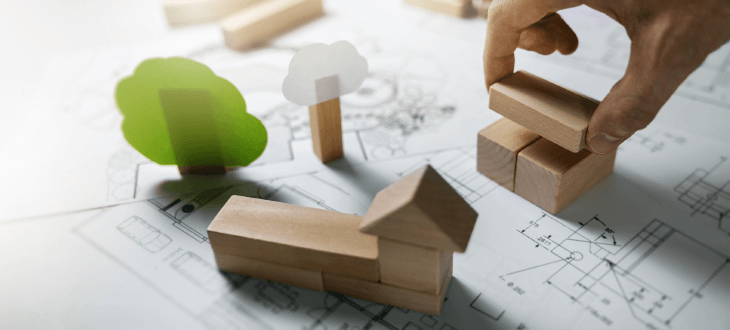
Cost-effective materials play a crucial role in the construction industry due to their significant impact on project budgets and overall financial feasibility. When selecting construction materials universal testing machine manufacturer, it is essential to consider not only the upfront costs but also the long-term implications on maintenance and operational expenses. By opting for cost-effective materials, construction projects can achieve greater cost efficiency without compromising quality.
One key aspect of cost-effective materials is their durability and resilience. Materials that require minimal maintenance and have a longer lifespan can result in reduced replacement and repair costs over time. Additionally, the availability and ease of sourcing these materials can contribute to cost savings by streamlining procurement processes and minimizing lead times.
Furthermore, cost-effective materials should also meet the required safety and quality standards to ensure the longevity and integrity of the constructed infrastructure. Balancing cost-effectiveness with performance and longevity is essential in optimizing project budgets and achieving financial sustainability in the construction industry.
Sustainable Construction Material Options
Exploring environmentally friendly alternatives in construction materials is paramount for fostering sustainability in the industry. Sustainable construction material options aim to reduce the environmental impact of construction activities by promoting the use of renewable resources, minimizing waste generation, and decreasing energy consumption.
One such option is bamboo, known for its rapid growth and high strength-to-weight ratio, making it a sustainable alternative to traditional hardwoods. Additionally, recycled steel and reclaimed wood are gaining popularity due to their durability and reduced carbon footprint compared to newly sourced materials.
Another sustainable option is rammed earth, a technique that utilizes natural raw materials like earth, chalk, lime, or gravel compacted into solid walls. This method not only reduces the need for energy-intensive production processes but also provides excellent thermal mass properties, reducing heating and cooling costs in buildings.
Furthermore, the use of recycled glass in construction materials, such as countertops and tiles, helps divert waste from landfills while adding a unique aesthetic appeal to structures. Adopting sustainable construction material options not only benefits the environment but also contributes to creating healthier and more efficient buildings for a greener future.
Benefits of Recycled Building Materials
Utilizing recycled building materials offers numerous environmental benefits while also contributing to sustainable construction practices. By incorporating recycled materials such as reclaimed wood, metal, glass, and plastic into construction projects, builders can significantly reduce the demand for new resources and minimize waste sent to landfills. This process helps in conserving natural resources, lowering energy consumption, and decreasing greenhouse gas emissions associated with the production of new materials.
Recycled building materials also promote circular economy principles, where products are reused and repurposed rather than disposed of after single use. This not only conserves raw materials but also reduces the environmental impact of extracting, processing, and transporting new resources. Additionally, using recycled materials can often be more cost-effective than purchasing new materials, making it a financially attractive option for construction projects.
Moreover, incorporating recycled building materials can enhance the sustainability credentials of a construction project, appealing to environmentally conscious consumers and stakeholders. Overall, the benefits of utilizing recycled building materials extend beyond environmental advantages to encompass economic savings and a commitment to sustainable practices in the construction industry.
Energy-Efficient Construction Techniques
Energy efficiency in construction involves implementing design and technology solutions that minimize energy consumption and maximize sustainable practices. Utilizing energy-efficient construction techniques not only reduces operational costs but also lessens the environmental impact of buildings. Strategies such as proper insulation, high-efficiency HVAC systems, energy-efficient lighting, and passive solar design can significantly decrease energy usage.
Incorporating renewable energy sources like solar panels or geothermal heating further enhances a building’s energy efficiency. Building orientation and layout also play a crucial role in optimizing natural light and ventilation, reducing the need for artificial lighting and air conditioning. Additionally, using materials with high thermal mass can help regulate indoor temperatures, reducing the reliance on heating and cooling systems.
Cost-Saving Strategies for Materials Procurement
To optimize overall project costs and enhance financial efficiency, strategic cost-saving measures can be implemented during the procurement of construction materials. One effective strategy is to establish long-term relationships with reliable suppliers to negotiate better prices based on volume or loyalty. Conducting thorough market research to identify cost-effective alternatives without compromising quality is crucial.
Utilizing group purchasing organizations or joining material cooperatives can also lead to discounted rates through collective buying power. Additionally, exploring direct-from-manufacturer options and bulk purchasing discounts can result in significant savings. Implementing just-in-time inventory practices helps minimize storage costs and reduce the risk of material depreciation or damage.
Leveraging technology such as procurement software for price comparisons and online auctions can facilitate cost-effective purchasing decisions. Regularly reviewing procurement processes and seeking feedback from project stakeholders can identify areas for improvement and cost-saving opportunities. By incorporating these strategies into materials procurement practices, construction projects can achieve cost efficiencies without compromising on quality or timelines.
Innovations in Affordable Construction Materials
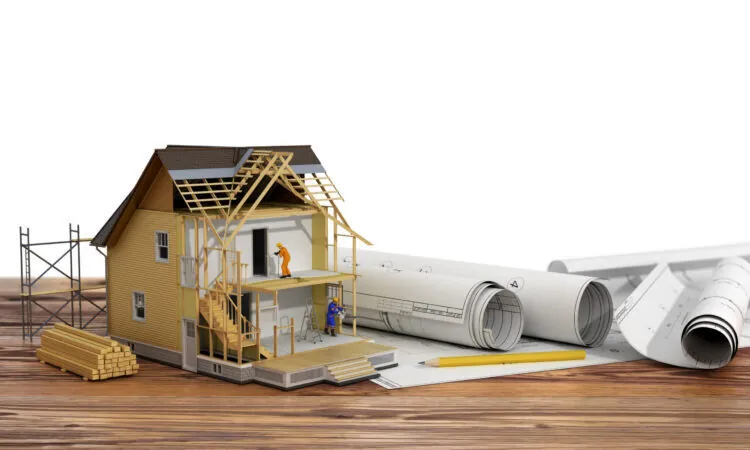
Within the realm of affordable construction materials, innovations are paving the way for eco-friendly alternatives. Sustainable wood and recycled plastic composites are gaining traction in the market. The rise in options offers both cost-effectiveness and high quality. Lightweight concrete blends and energy-efficient insulating materials are becoming popular choices. By exploring these low-cost yet durable solutions, construction projects can align with sustainable practices without compromising on structural integrity.
Eco-Friendly Alternatives
In the realm of construction materials, the push for eco-friendly alternatives has spurred a wave of innovative solutions that prioritize sustainability without compromising affordability.
One such solution is the use of bamboo as a building material. Bamboo is a fast-growing plant that is renewable and requires minimal energy for cultivation. It is strong, lightweight, and can be used in various construction applications such as flooring, walls, and even as a structural element.
Another eco-friendly alternative gaining traction is the use of recycled steel. By repurposing steel from old buildings or scrap metal, construction projects can reduce their environmental impact while benefiting from the durability and strength of steel.
These eco-friendly alternatives offer cost-effective and sustainable options for the construction industry.
Recycled Materials Options
An increasingly prevalent trend in the construction industry revolves around the utilization of recycled materials as innovative and cost-effective alternatives for construction projects. Recycled materials offer a sustainable solution by reducing waste and lowering costs.
Options such as recycled concrete, reclaimed wood, and repurposed metal are gaining popularity for their durability and environmental benefits. Recycled plastic composites are being used for decking and fencing, providing a long-lasting and low-maintenance alternative to traditional materials.
Additionally, recycled glass can be transformed into countertops and tiles, adding a unique aesthetic appeal to structures. By incorporating recycled materials into construction projects, builders can not only reduce their environmental impact but also achieve cost savings without compromising on quality and performance.
Low-Cost High-Quality Choices
Exploring economical yet high-quality alternatives in construction materials is a strategic approach that can yield substantial benefits for builders and developers alike. In the realm of low-cost high-quality choices, innovative solutions like engineered wood products, such as laminated veneer lumber (LVL) and oriented strand board (OSB), have gained popularity for their durability and cost-effectiveness.
Additionally, prefabricated steel components offer strength and affordability, making them a sought-after option for various construction projects. Utilizing advanced insulation materials like expanded polystyrene (EPS) foam panels can enhance energy efficiency while keeping costs low.
Embracing these innovations not only drives down construction expenses but also ensures the delivery of robust, sustainable structures that meet the evolving needs of the construction industry.
Maximizing Budgets With Smart Material Choices
Utilizing cost-effective and durable materials is essential in maximizing budgets for construction projects. Smart material choices can significantly impact the overall cost of a project while ensuring quality and longevity.
One key strategy to maximize budgets is to opt for materials that offer a balance between affordability and performance. For example, using recycled or reclaimed materials can be a cost-effective solution that also aligns with sustainable construction practices.
Another way to make smart material choices is to prioritize materials that require minimal maintenance and have a long lifespan. Investing in high-quality materials upfront may involve a higher initial cost but can result in long-term savings by reducing the need for frequent repairs or replacements. Additionally, considering locally sourced materials can help lower transportation costs and support the local economy.
Future Trends in Cost-Effective Construction Materials
To stay ahead in the construction industry and effectively manage budgets, it is imperative to anticipate and adapt to the evolving landscape of cost-effective construction materials, including upcoming trends that promise both economic efficiency and quality.
One significant future trend is the increased use of sustainable and environmentally friendly materials. As the construction industry shifts towards more eco-conscious practices, materials like recycled steel, bamboo, and engineered wood products are gaining popularity for their cost-effectiveness and minimal environmental impact.
Another emerging trend is the development of advanced composite materials. These materials, such as carbon fiber-reinforced polymers and high-performance concrete blends, offer enhanced strength and durability properties at a relatively lower cost compared to traditional construction materials. By utilizing these innovative composites, construction projects can achieve savings on both material costs and long-term maintenance expenses.
Furthermore, the integration of technology in construction materials is on the rise. Smart materials embedded with sensors for monitoring structural health, self-healing materials, and 3D-printed construction components are paving the way for more efficient and cost-effective building practices.
Embracing these future trends in cost-effective construction materials will not only benefit budgets but also contribute to sustainable and high-quality construction projects.
Conclusion
In conclusion, cost-effective construction materials solutions are essential for balancing project budgets while prioritizing quality and sustainability.
By incorporating sustainable and recycled materials, implementing energy-efficient techniques, and utilizing strategic procurement strategies, construction projects can achieve affordability and durability.
Maximizing budgets through smart material choices and embracing innovations in affordable construction materials will shape the future of cost-effective and environmentally friendly building practices.
