HOW TO GET RID OF RATS IN YOUR HOUSE WITHOUT POISON
To get rid of rats without poison, start by spotting early signs like droppings, gnaw marks, or unusual noises. Seal possible entry points using steel wool or caulk to block access rat repellent spray. Use natural repellents such as peppermint oil or cloves to deter rats. Set humane traps baited with peanut butter for capturing them safely, and maintain cleanliness by sealing food and removing clutter. Exploring further can reveal detailed steps for effective and humane rat control.
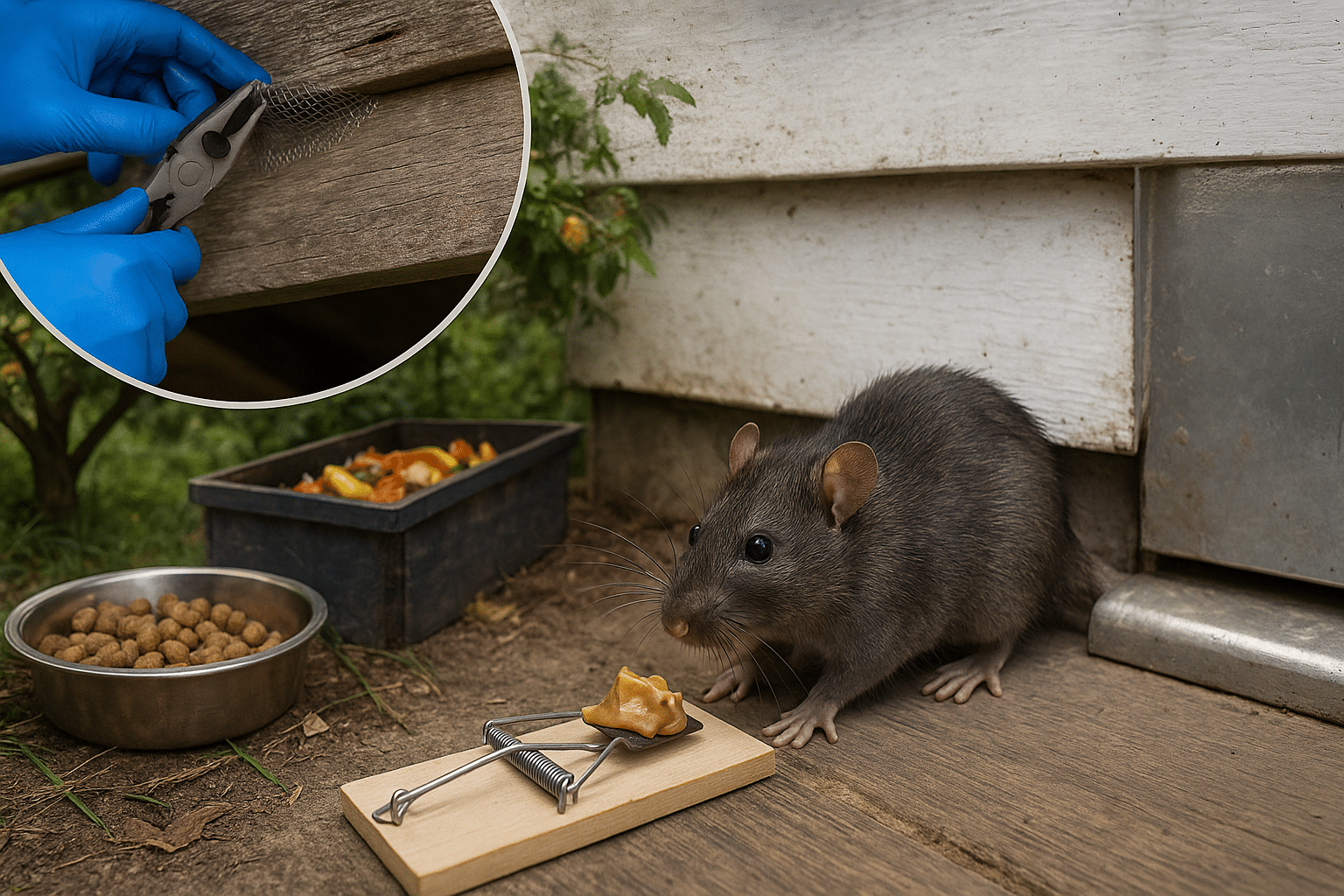
How To Spot Signs Of Rats In Your House Early
Detecting rats early requires careful observation of subtle indicators within the home.
Signs include small, dark droppings scattered near walls, cupboards, or food sources. Unexplained gnaw marks on furniture, wires, or packaging suggest rat activity igreenasia. Unusual noises like scratching or scurrying, especially at night, can signal their presence.
A musky odor, often faint but persistent, may linger in infested areas. Rats also leave tracks in dusty or less disturbed spaces, visible as tiny footprints or tail marks.
Nesting materials, such as shredded paper or fabric found in hidden corners, indicate habitation. Noting these signs promptly allows for timely intervention, maintaining personal space free from invasive pests and preserving the autonomy to manage one’s environment naturally and effectively.
Seal Entry Points To Keep Rats Out For Good
By thoroughly inspecting the exterior and interior of a building, potential entry points for rats can be identified and sealed effectively.
Common access points include gaps around doors, windows, vents, pipes, and cracks in foundations or walls. Using durable materials such as steel wool, metal mesh, or caulk guarantees these openings remain closed.
Sealing entry points denies rats access, preventing infestations and preserving the building’s integrity. This approach supports long-term freedom from rodent disturbances without relying on harmful chemicals.
Regular maintenance and reinspection are essential, as rats can exploit even small or new openings. Prioritizing this preventative measure empowers occupants to maintain control over their environment, fostering a safe and rat-free living space through simple, proactive steps.
Use Natural Repellents That Rats Hate
Although sealing entry points is essential, incorporating natural repellents can further discourage rats from settling in an area. Certain scents are known to repel rats effectively without harming them. Peppermint oil, for example, emits a strong aroma rats find unpleasant; placing cotton balls soaked in peppermint oil near entryways or common rat paths can deter them.
Similarly, ammonia’s pungent smell mimics predator urine, creating an environment rats avoid. Other natural deterrents include cloves, cayenne pepper, and garlic, which can be scattered or used in sachets around vulnerable spaces. These methods maintain a safe living environment while respecting the freedom of all creatures.
Using natural repellents supports a humane approach to rat control, reducing reliance on toxic substances and promoting coexistence through avoidance rather than harm.

Set Up Humane Traps To Catch Rats Safely
When addressing a rat problem without causing harm, humane traps offer an effective solution. These traps capture rats alive, allowing for their safe relocation away from the home.
Choosing traps designed to avoid injury is essential; they often feature sensitive triggers and spacious compartments. Placement is vital—set traps along walls or areas where rat activity is evident, increasing the likelihood of capture.
Baiting with attractive foods like peanut butter or nuts enhances success. Regularly check traps to minimize stress on captured rats and promptly release them several miles from residential areas to prevent their return.
This method respects the freedom and well-being of both humans and rats, providing a responsible approach to coexistence without resorting to poison or lethal measures.
Keep Your Home Clean To Prevent Rat Infestations
Regularly maintaining cleanliness in and around a home greatly reduces the risk of rat infestations. Rats are attracted to food scraps, clutter, and stagnant waste, which provide shelter and nourishment. By promptly disposing of garbage in sealed containers, cleaning up crumbs, and storing food in airtight packages, residents remove easy food sources.
Keeping outdoor areas tidy by trimming vegetation, sealing compost bins, and eliminating standing water further discourages rat presence. Regularly vacuuming and sweeping minimize hidden debris that may harbor pests. This proactive approach empowers individuals to safeguard their living spaces without relying on harmful chemicals, preserving both personal freedom and environmental health. Cleanliness acts as a strong, preventative barrier, limiting opportunities for rats to settle and multiply within a home.
Conclusion
Effectively managing a rat problem without poison involves early detection, sealing entry points, and using natural repellents. Humane traps offer a safe way to catch and remove rats, while maintaining a clean home environment helps prevent future infestations. Combining these strategies provides a practical, non-toxic approach to keeping homes rat-free, ensuring safety for both residents and pets. Consistent effort and vigilance are key to long-term success in rodent control.
